
Home » Intro

Introducing "Quicksilver"

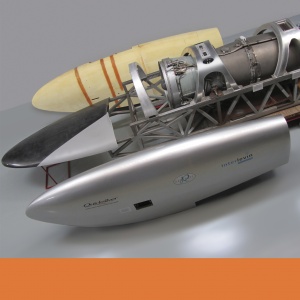
Nigel Macknight with the craft

The quest to go faster on water has challenged both man and machine for centuries. Whether for trading, waging war, or simply winning a coveted trophy, the desire for higher speeds has been relentless down the ages.
 
Modern-day challengers have a clear benchmark against which to measure their skill and ingenuity. The World Water Speed Record is the pinnacle of sporting achievement on water - a compelling contest involving man and machine, played out on a backcloth of wind and wave, distance and time.
 
The World Water Speed Record has a long and colourful history. Previous holders and challengers have included the inventor Alexander Graham Bell, the soldier and adventurer "Lawrence of Arabia", and four previous holders of the World Land Speed Record - Sir Henry Segrave, Sir Malcolm Campbell, John Cobb and Donald Campbell.
 
We invite you to join this quest! By supporting the project - either by joining one of the two official supporters' clubs, encouraging others to do so, or attending one of our fantastic sports-celebrity dinners in Nottingham - you can play a part in advancing technology and human accomplishment, and "fly the flag" for Britain.

The Official Launch

Australia has held the World Water Speed Record for nearly 30 years, in spite of competition from America. Now, Nigel Macknight's Quicksilver team aims to break Australia's long hold on the Record and return it to Britain, where so much water-speed history has been made.
 
The World Water Speed Record stands at 317.60 mph (511.11 kph). To achieve such astronomical speeds, water conditions must be near-calm and the boat itself must overcome water resistance by rising clear of the water's surface and skimming across it.
 
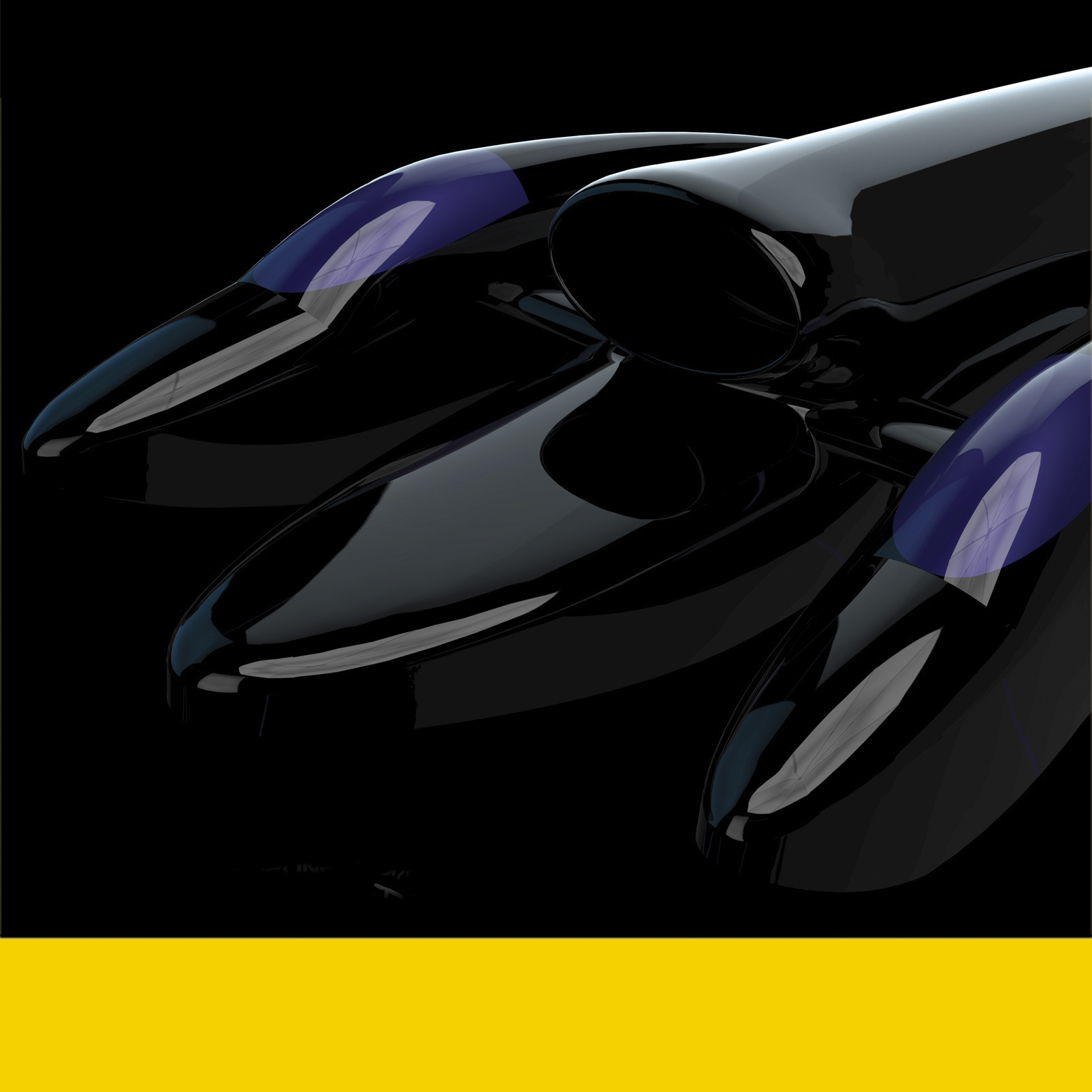
With Quicksilver, the philosophy is to use modern technology in design, construction and operation to increase safety margins substantially beyond what has been feasible in the past. Furthermore, uniquely, Quicksilver has a modular construction. No other machine in speed-record history, on either land or water, has been designed to be modified rapidly "in the field" as Quicksilver has. This modular approach will permit an on-going development programme; a step-by-step approach which emphasises safety, without detracting from the essential excitement of the challenge of going faster on water than anyone has ever gone before.